The 6 Narrative Perspectives六种叙事视角
一篇叙事永远有一个“声音”在讲述——认清这个声音是谁、它能看见多少,是读懂文本视角的第一步。Every narrative is told by a "voice" — knowing who that voice is and how much it can see is the first step to reading perspective.
学习目标 · Learning Goals
- 1Read a variety of texts and identify specific purposes.阅读多种文本并识别其具体目的。
- 2Analyze the perspective in texts.分析文本中的叙事视角。
Narrator vs. Author 叙述者 ≠ 作者
As we saw previously, there are different points of view that may be the narrative perspectivenarrative perspective 叙事视角:故事被讲述时所采用的视点/立场。. A narrative is always told by someone. The narratornarrator 叙述者:文本中负责讲述故事的“声音”,不等于现实中的作者。 is not necessarily the same as the authorauthor 作者:实际写下这部作品的人。 of the book. The author is the person who wrote the book; the narrator is simply the "voice" to whom the narration is attributed; a single novel may contain several narrators. We might think of the narrator as a point of view embodied in a character who can represent an author. However, this is not always the case.
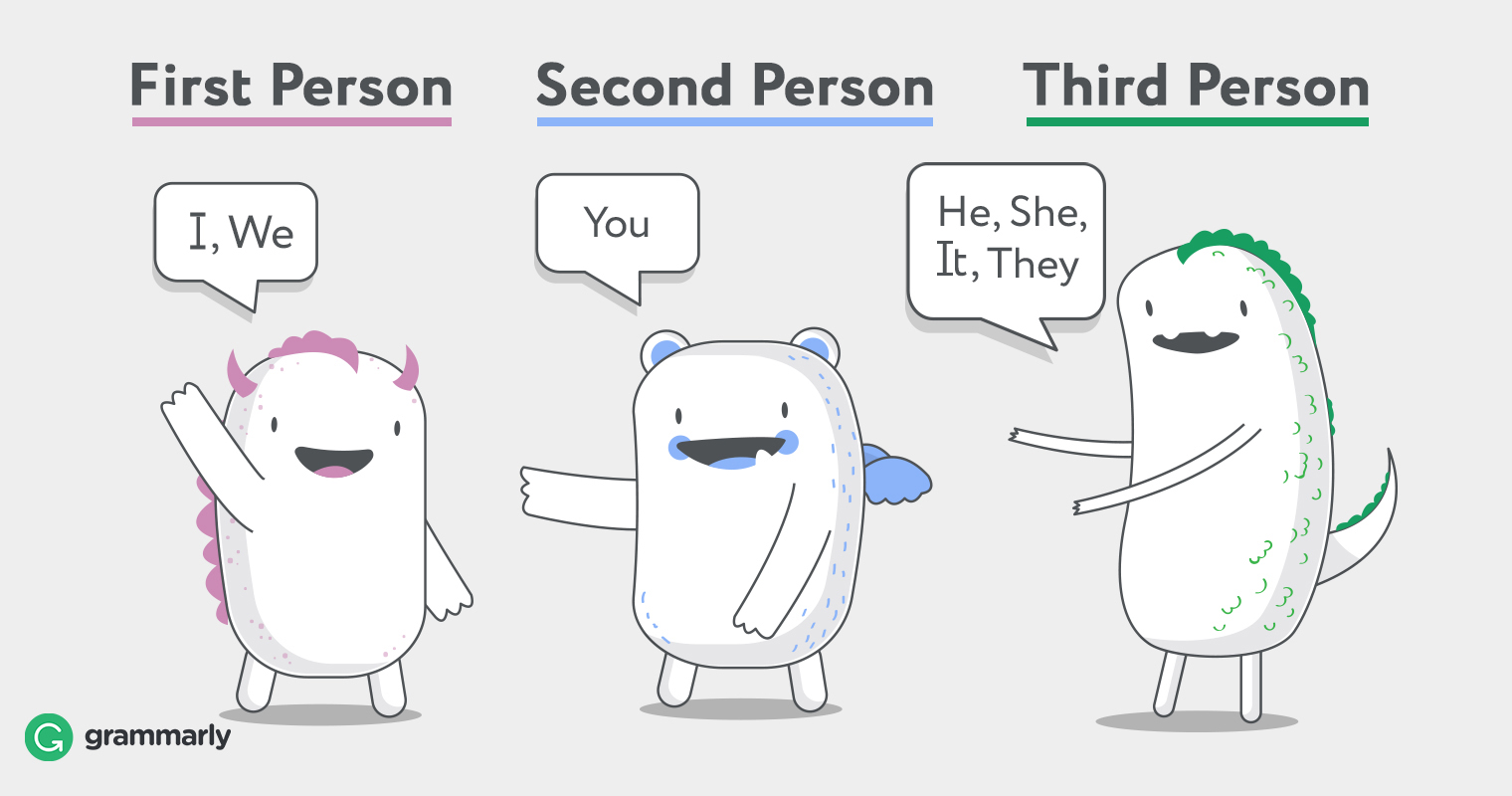
正如之前所学,能够构成叙事视角的视点有很多种。一篇叙事总是由某个人来讲述的。叙述者不一定就是书的作者。 作者是写下这本书的人;而叙述者只是叙述所归属的那个“声音”。一部小说中可能有好几个叙述者。我们可以把叙述者理解为一个体现在某个角色身上、能代表作者的视点——但情况并不总是如此。
一句话:作者是现实中的人,叙述者是文本里的声音。 分析视角时,我们关心的是后者。
First-person 第一人称
First-person: The narrator is usually the protagonistprotagonist 主人公:故事的中心角色。 or central character in the story. But even if this character is not the protagonist, he or she is directly involved in the events of the story and is telling the tale “firsthandfirsthand 亲历地:亲身经历、第一手地(讲述)。.”
First-person narration is easy to identify, because the narrator will be telling the story from “I” perspective. Readers should watch for the narrator’s use of first-personfirst-person 第一人称:叙述者用“我”来讲述、并亲历事件的视角。 pronouns: “I," "me," "my," "our," "us," "we," "myself," and "ourselves,” as these will usually indicate that the passage is narrated from first-person perspective. Remember, with this skill, readers are trying to identify the perspective of the narrator; therefore, one must ignore the dialogue of characters (indicated by “quotation marks”) and solely focus on narration, otherwise one is not only analyzing the narrator’s point of view.
The images above show video games that are played from first person perspective. From this position, you are limited to the view that is available in front of you.

第一人称: 叙述者通常就是故事的主人公或核心角色。但即便这个角色不是主人公,他/她也直接参与了故事中的事件,并在“亲历”地讲述这个故事。
第一人称叙述很好识别,因为叙述者会从“我(I)”的视角来讲故事。读者要留意叙述者使用的第一人称代词:“I(我)、me(我,宾格)、my(我的)、our(我们的)、us(我们,宾格)、we(我们)、myself(我自己)、ourselves(我们自己)”——这些通常表明该段落采用第一人称视角。
切记:这项技能要识别的是叙述者的视角,因此必须忽略角色的对话(即“引号”里的内容),只聚焦于叙述本身,否则你分析的就不只是叙述者的视点了。
上方图片展示的是以第一人称视角进行的电子游戏。在这个位置上,你只能看到眼前可见的范围。
Second-person 第二人称
Second-person: In this mode of narration you are the agentagent 施事/行动者:发出动作的主体。, such as in this example: you walked down the stairs. As it is generally awkward for a story to be narrated from your perspective, this mode of narration is not used very often in stories.
There are some exceptions, however, and second-personsecond-person 第二人称:以“你”为行动主体的叙述视角。 perspective is the primary mode of narration for "choose your own storyline" and similarly styled writings. More frequently, directions and instructions are usually narrated from second-person perspective. In most cases, directions will be written in short imperative sentences, where the implied subject is you. But even when the word “you” is not explicitly stated, it is understood that you are the subject of directions and instructions.
第二人称: 在这种叙述方式中,你(you)是行动的主体,例如:你走下了楼梯(you walked down the stairs)。由于用你的视角来讲故事通常会显得别扭,这种叙述方式在故事里并不常用。
不过也有例外:第二人称视角是“选择你自己的故事线(choose your own storyline)”这类读物的主要叙述方式。更常见的是,操作说明和指令通常采用第二人称视角。多数情况下,这类说明会写成简短的祈使句,其隐含主语就是你。即便没有明确出现“你”这个词,也默认你就是这些说明和指令的主语。
Third-person 第三人称
Third-person: With this mode of narration, the narrator tells the story of another person or group of people. The narrator may be far removed from or not involved in the story, or he or she may be a supporting character supplying narration for a hero. Frequent use of “he," "she," "them," "they," "him," "her," "his," "her," and "their,” by the narrator may indicate that a passage is narrated from third-personthird-person 第三人称:叙述者讲述他人故事、使用“他/她/他们”的视角。 perspective. There are three distinct modes of third-person narration: objective, limited, and omniscient.
第三人称: 在这种叙述方式中,叙述者讲述的是另一个人或一群人的故事。叙述者可能与故事相距甚远、完全不参与其中,也可能是一个为主角提供叙述的配角。叙述者频繁使用“he(他)、she(她)、them(他们,宾格)、they(他们)、him(他,宾格)、her(她,宾格/她的)、his(他的)、their(他们的)”等代词,往往表明该段落采用第三人称视角。
第三人称叙述又分为三种不同模式:客观(objective)、有限(limited)、全知(omniscient)。 三者的区别在于叙述者透露多少角色的内心——这正是下面图谱要展示的关键维度。
第三人称的三种模式 · Three Modes of Third-Person
区别在于叙述者透露多少角色内心:从只写外在行为,到深入一人内心,再到全知全能。
Third-person objective 第三人称客观
Third-person objectiveobjective 客观:只呈现外在行为与对话、不进入人物内心的第三人称模式。: In this mode of narration, the narrator speaks in the third-person (he, she, him, her), but the narrator only describes characters’ behaviour and dialogue. The narrator does not reveal any character’s thoughts or feelings. Again, readers will be able to understand characters’ thoughts and motivations based on characters’ actions and dialogue, which are narrated; however, the narrator will not explicitly reveal character’s thoughts and/or motivations in narration.
第三人称客观: 在这种叙述方式中,叙述者用第三人称(he、she、him、her)讲述,但只描写角色的行为和对话。叙述者不透露任何角色的想法或感受。 读者仍然可以根据被叙述出来的角色行动和对话去理解他们的想法与动机;但叙述者不会在叙述中明确说出角色的内心想法和/或动机。
Third-person limited 第三人称有限
Third-person limitedlimited 有限:叙述者只揭示单一角色内心的第三人称模式。: When a narrator uses third-person limited perspective, the narrator’s perspective is limited to the internal workings of one character. In other words, the narrator reveals the thoughts and feelings of one character through explicit narration. As with objective narration, readers may be able to infer characters’ thoughts and feelings based on the behaviours and dialogue of those characters, which are narrated, but the narrator also directly reveals the central character’s internal perspective.
第三人称有限: 当叙述者采用第三人称有限视角时,叙述者的视角被限制(limited)在某一个角色的内心活动之内。换句话说,叙述者通过明确的叙述揭示这一个角色的想法和感受。 与客观叙述一样,读者也可以根据被叙述出来的角色行为和对话来推断他们的想法与感受;但叙述者会另外直接揭示那个核心角色的内心视角。
Third-person omniscient 第三人称全知
Third-person omniscientomniscient 全知:无所不知、可揭示多个角色内心的第三人称模式。: In this mode of narration, the narrator grants readers the most access to characters’ thoughts and feelings. With third-person omniscient narration, the narration will reveal more than one characters’ internal workings. The base word omni means “all,” and scient means “knowing,” so omniscient roughly translates to “all-knowing.” In this case the etymologyetymology 词源:词语的来源与构成(如 omni + scient)。 is accurate because in omniscient narration the narrator is all-knowing.
第三人称全知: 在这种叙述方式中,叙述者给予读者最大限度地接触角色想法和感受的权限。在第三人称全知叙述中,叙述会揭示不止一个角色的内心活动。 词根omni意为“全部(all)”,scient意为“知晓(knowing)”,所以 omniscient 大致可译为“全知(all-knowing)”。在这里,词源学的解释是准确的,因为在全知叙述中,叙述者无所不知。
Conclusion 结论
There are six key terms used in the study of narrative view point: first-person, second-person, third-person, third-person objective, third-person limited, and third-person omniscient. Each term refers to a specific mode of narration defined by the pronoun casepronoun case 人称代词:决定人称的代词类别,如 I / you / he。 ("I", "you", "he", "she", etc), and how much the narrator reveals about the thoughts and feelings of the characters (narrative access).
Now that you have completed the reading, check your learning by taking the following quiz: 1-1A: The 6 Narrative Perspectives Self-Check Quiz.
在叙事视角的学习中,有六个关键术语: 第一人称、第二人称、第三人称、第三人称客观、第三人称有限、第三人称全知。每个术语都指向一种特定的叙述模式,而这种模式由两点决定:人称代词(“I(我)”“you(你)”“he(他)”“she(她)”等),以及叙述者揭示了多少角色的想法与感受(即“叙述权限”narrative access)。
读完之后,请通过配套的自测小测验检验所学: “1-1A: 六种叙事视角自测”。
总结 / Summary
视角 = 人称 × 叙述权限两个维度的组合。Perspective = the combination of two axes: person and narrative access.
叙述者不等于作者:分析视角时只看文本里的“声音”,且要忽略引号内的对话。Narrator ≠ author: judge perspective only from the textual "voice," and ignore dialogue inside quotation marks.
第一人称用“I/we”,叙述者亲历事件;第二人称以“you”为主体,多见于说明与指令。First person uses "I/we" with the narrator living the events; second person makes "you" the subject, common in instructions and directions.
第三人称用“he/she/they”,再按叙述权限分三档:客观(只写行为对话)→ 有限(进入一人内心)→ 全知(进入多人内心)。Third person uses "he/she/they," then splits by access: objective (behaviour & dialogue only) → limited (inside one mind) → omniscient (inside many minds).
记忆全知:omni(全)+ scient(知)= all-knowing。Remember omniscient: omni (all) + scient (knowing) = all-knowing.
知识点清单 · Knowledge Points
随堂练习Exercises
先自己作答,再展开参考答案核对。Answer first, then reveal to check.
下列哪一点最准确地区分了“叙述者”和“作者”?Which best distinguishes the "narrator" from the "author"?
叙述同时揭示了两个或更多角色的内心想法。这属于哪种视角?The narration reveals the inner thoughts of two or more characters. Which perspective is this?
一份“先把锅放到火上,然后加入两杯水”的食谱说明,最可能采用哪种视角?A recipe instruction like "First place the pot on the stove, then add two cups of water" is most likely written in which perspective?
在判断一段文字是否为第一人称时,为什么必须忽略引号里的对话?When deciding whether a passage is first-person, why must you ignore the dialogue inside quotation marks?
因为我们要识别的是叙述者的视角,而不是角色的视角。对话里的“I”属于说话的角色,不代表叙述本身的人称;只有看叙述部分用的人称代词,才能准确判定叙述者的视角。
Because we are identifying the narrator's perspective, not a character's. An "I" inside dialogue belongs to the speaking character, not to the narration itself; only the pronouns in the narration reveal the narrator's true perspective.
用第三人称有限视角写 2-3 句,描写一个学生走进考场的场景——只揭示这一个学生的内心想法。In 2-3 sentences, write a scene of a student entering an exam room using third-person limited perspective — reveal only that one student's thoughts.
Mei pushed open the heavy door, her heart pounding against her ribs. I should have reviewed the last chapter, she thought, scanning the rows of silent desks. She slid into her seat, certain that everyone could hear how loudly she was breathing.
讲解:全程用“she/her”(第三人称),且只进入 Mei 一个人 的内心(“her heart pounding”“I should have...”“certain that”)。没有透露其他人的想法——这正是“有限”的标志。
Mei pushed open the heavy door, her heart pounding against her ribs. I should have reviewed the last chapter, she thought, scanning the rows of silent desks. She slid into her seat, certain that everyone could hear how loudly she was breathing.
Note: it stays in third person ("she/her") and enters only Mei's mind ("her heart pounding," "I should have...," "certain that"). No other character's thoughts appear — that is the hallmark of limited.
达标标准Success Criteria
进入下一节之前,确认你已掌握以下各点。Before moving on, confirm you can do each of the following.
Self-check
勾选你已经做到的项目,进度会自动保存。Tick what you can do; progress saves automatically.